Dupe vs Replica vs Inspired: What the Terms Mean
Dupe, replica and inspired are not the same. A plain-English guide to what each term means when shopping for bags.
MMBAG 88 · Published · Updated
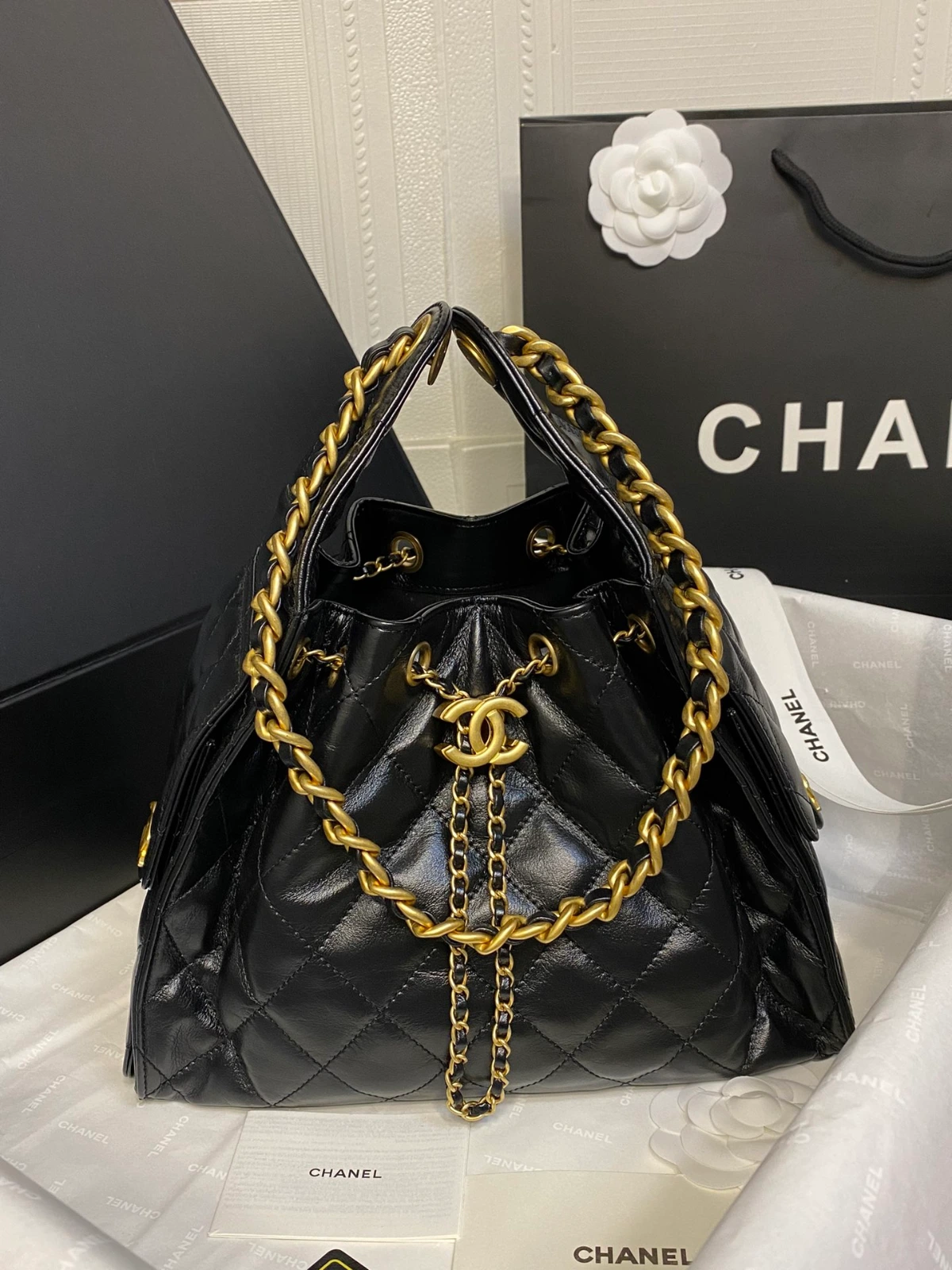
Quick answer: A dupe is an alternative that captures the look of a designer item, usually its shape, color or overall style. A replica is a term generally used for items that try to reproduce a specific product as closely as possible, often including branding. An inspired bag borrows a design idea or mood without aiming to look like one particular product. MMBAG 88 shows dupe and lookalike styles that are not made by or affiliated with the original brands.
These three words get used loosely online, and sometimes interchangeably. That makes it hard to know what you are actually looking at. This guide explains how each term is commonly used, where they overlap, and what questions help you understand any listing.
Why the Terms Matter
The word a seller uses shapes your expectations. If you expect one thing and receive another, the problem is often a mismatch in vocabulary rather than in the bag itself. Knowing the terms lets you ask better questions and compare listings fairly.
The definitions below describe common usage. They are not legal definitions, and different sellers and communities use them in different ways.
What Is a Dupe?
"Dupe" is short for duplicate, but in shopping it has come to mean an alternative that delivers a similar look or feel to a well-known item, usually at a lower cost.
Common features of a dupe
Similar silhouette. The overall shape and proportions are close to the item it is compared with.
Similar color and material feel. It aims for the same mood, such as a structured black leather top-handle bag.
Its own identity. A dupe is presented as an alternative, not as the designer item itself.
How the word is used
The term became popular in beauty and fashion content, where people share affordable alternatives. Today it is used broadly across bags, shoes, clothing and accessories.
What Is a Replica?
"Replica" is generally used for items that attempt to reproduce one specific product in close detail.
Common features of what is called a replica
Detail-level copying. The aim is to match a particular product as closely as possible.
Branding. Items described this way often reproduce logos or brand marks.
Different terms in different places. Words such as "mirror", "1:1" and similar labels are often used with the same intent.
Why the distinction matters
Items that reproduce brand marks raise different questions from items that only share a general look. If a listing does not make clear what it is, ask.
What Is an Inspired Bag?
"Inspired" describes a design that takes cues from a style, era or well-known piece, without trying to look like one specific product.
Common features of an inspired bag
A shared idea. For example, a quilted pattern, a chain strap or a particular shape.
Clear differences. Proportions, hardware or details are its own.
Wide range. It can sit anywhere from close to the reference to a loose interpretation.
Inspired designs are common across the whole fashion industry. Many trends spread this way.
How the Terms Compare
Term | Main goal | Typical relation to a reference item |
|---|---|---|
Dupe | A similar look or feel as an alternative | Close in shape, color and mood |
Replica | Reproducing one product in detail | Aims to match a specific item closely |
Inspired | Borrowing a design idea | Shares cues, with its own details |
In practice the lines blur. A listing labeled "dupe" might be closer to an inspired piece, and some listings use "dupe" to describe items others would call something else. Treat the label as a starting point, then look at the photos and ask.
How MMBAG 88 Uses These Words
MMBAG 88 describes its styles as dupe and lookalike styles. They are not made by or affiliated with the original brands, and the site does not claim brand authorization, authenticity or authentication results.
Each item is confirmed individually. Material, craft, price and delivery terms are discussed per item on WhatsApp, together with order photos of the version you are considering. You can see order photo records on /shipping, material photos on /factory and customer feedback on /comments.
Questions to Ask Any Seller
Whatever word a listing uses, these questions clarify what you would actually receive:
What exactly is this item? Ask the seller to describe it in their own words.
Which version is it? Different versions can use different leather, hardware and lining.
Can I see photos of the exact item? General product shots are not the same as order photos.
What materials are used? Ask about the leather type, hardware finish and lining.
What are the price, delivery and after-sales terms? Confirm these before you decide.
If a seller claims an item is something it is not, or avoids these questions, that is useful information too.
FAQ
Is a dupe the same as a replica?
Not in common usage. A dupe is usually presented as an alternative with a similar look, while a replica generally refers to reproducing a specific product in close detail, often including branding.
Are dupe bags made by the designer brands?
A dupe is, by definition, an alternative. The styles shown on MMBAG 88 are not made by or affiliated with the original brands.
What does "lookalike" mean?
Lookalike is used in a similar way to dupe: a style that resembles a known item in overall appearance. MMBAG 88 uses both words for its styles.
How can I tell what I am buying if the labels are inconsistent?
Look past the label. Ask for order photos of the exact item, confirm the materials and version, and agree the terms in writing. You can start that conversation on the contact page.